Gamification adds purpose and structure to simulation training by giving users clear goals, meaningful feedback, and a way to measure performance. Through our partnership with Lektor Aero, gamification introduces elements such as scoring, objectives, and performance feedback directly within training scenarios. Instead of simply completing simulations, users gain clear insight into how well they performed and where there is room to improve. This matters because it increases engagement, encourages repeated and focused practice, and helps translate training decisions into real‑world performance, moving training beyond completion to measurable skill development.
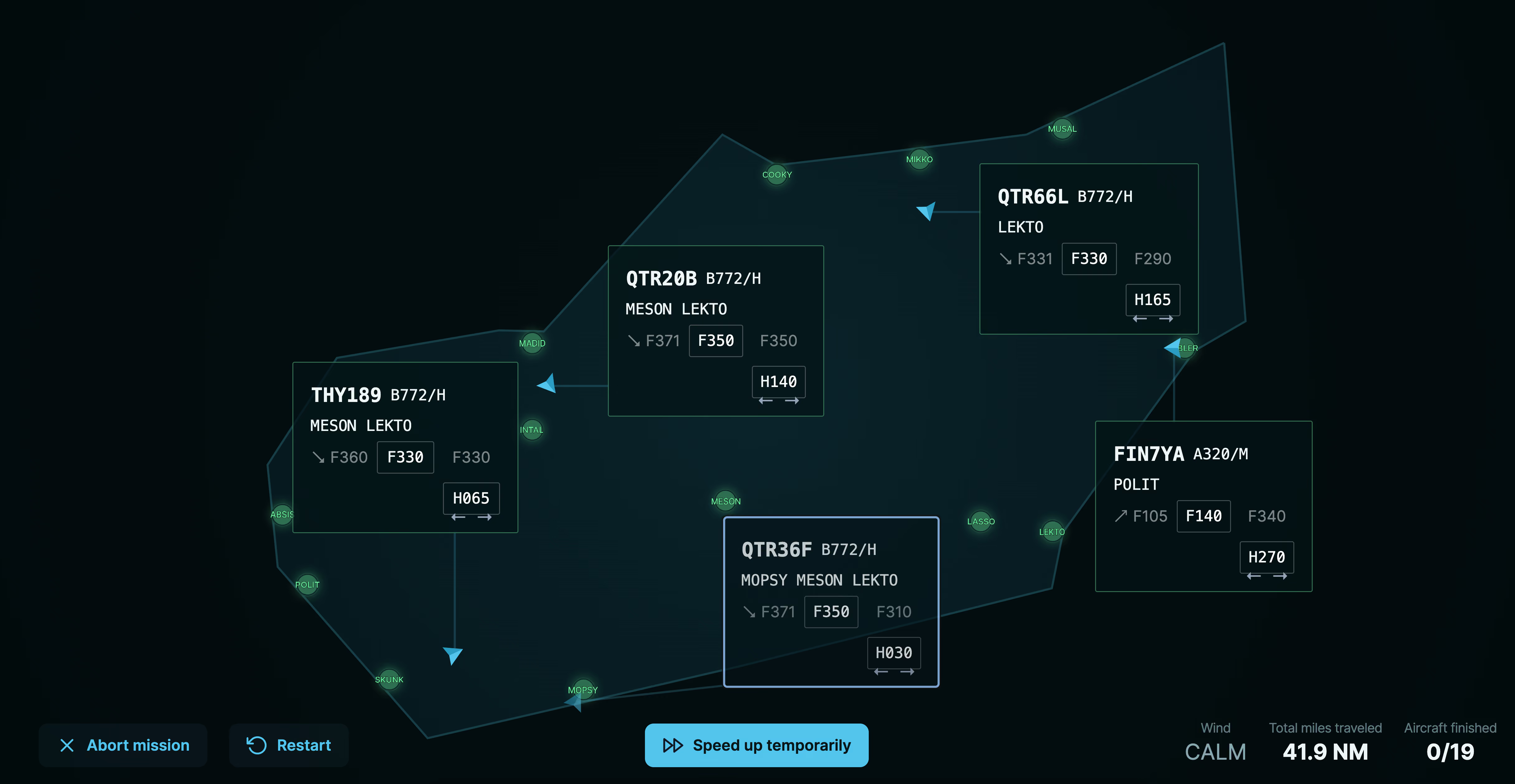
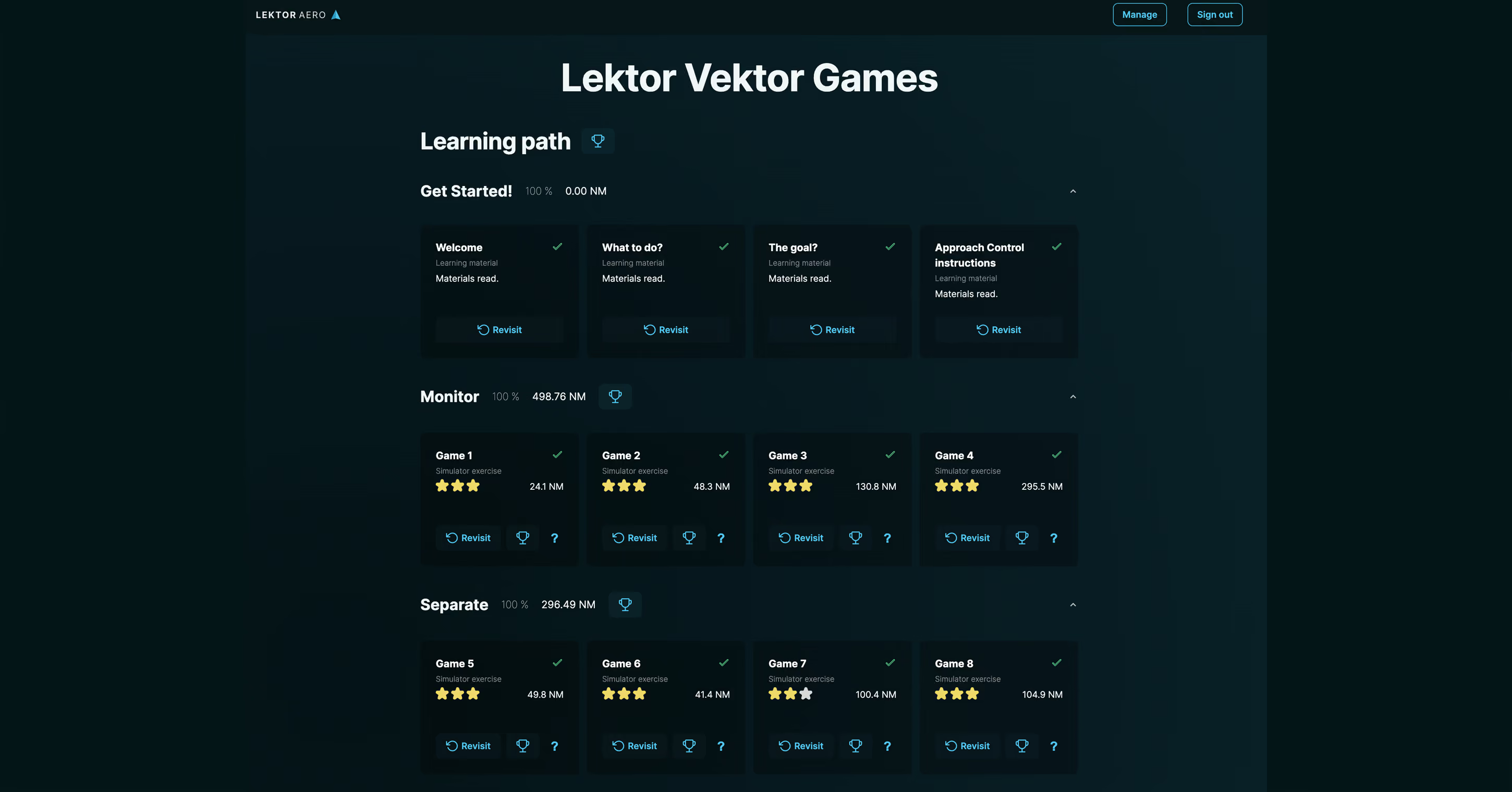
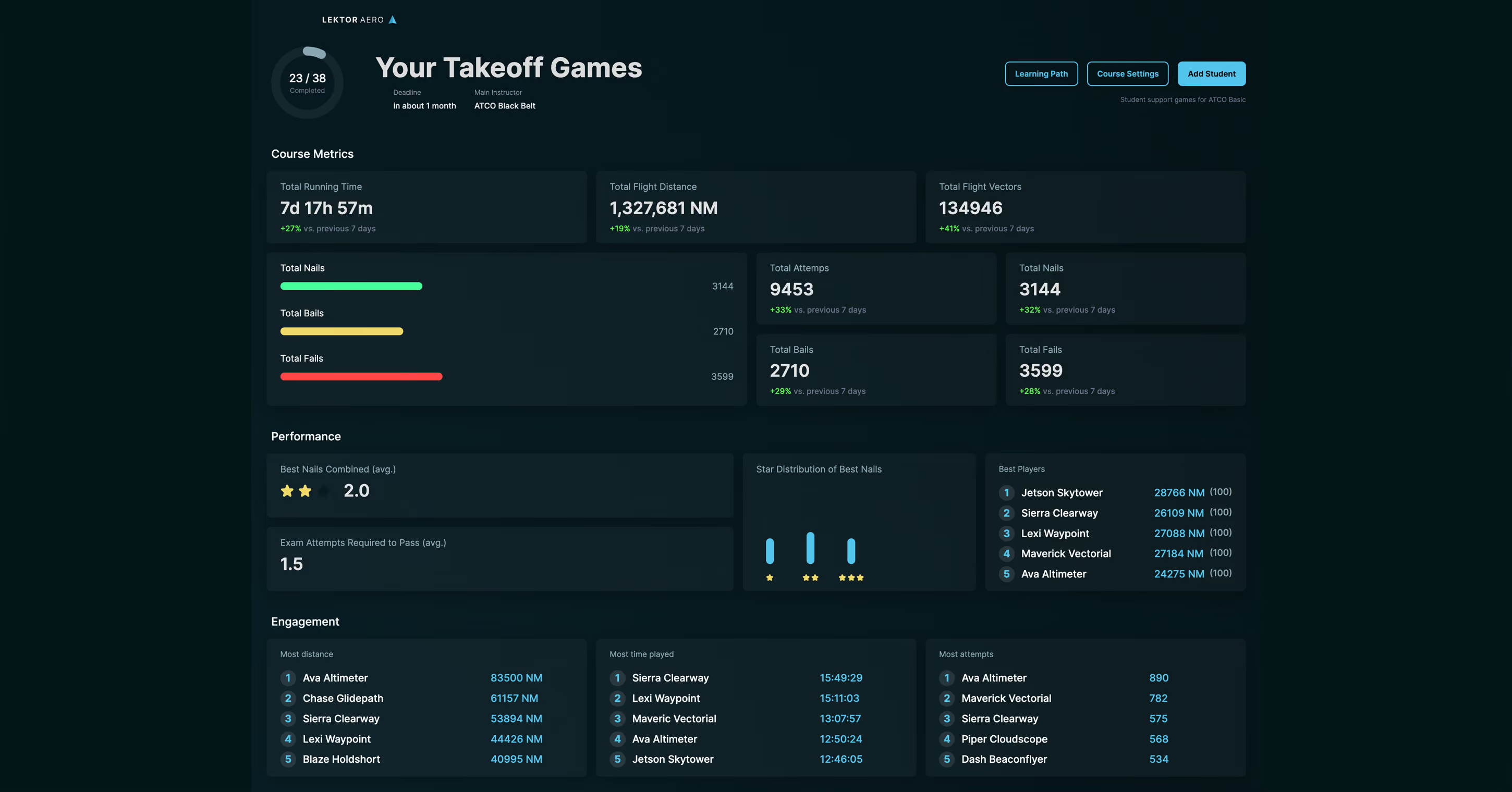

Clear performance feedback – Users can immediately see how their decisions impact outcomes, helping them understand strengths and areas for improvement.
Increased engagement – Goals, scoring, and progress tracking keep users focused and invested throughout each training session.
Motivation to improve – Measurable results encourage users to repeat scenarios and work toward better outcomes instead of stopping at completion.
More effective practice – Structured objectives give users a reason to practice deliberately, beyond simply compteting simulations.
Better knowledge retention – Active participation and immediate feedback increases concept retention longer than passive learning.
Accountability – Performance metrics create ownership ofresults, helping users take training more seriously.
designed for the modern learner:
training experiences built around engagement, repetition, and confidence. 
Accessible Learning Environment: Low-barrier, web-based platform available on standard devices such as tablets and laptops, enabling easy access without specialized hardware.
Self-Paced Practice Model: Unlimited, on-demand practice allows learners to progress at their own pace and repeat exercises as needed to build proficiency.
Gamification-Driven Engagement: Use of scores, stars, and immediate feedback creates dopamine-driven motivation loops that encourage repetition and sustained engagement.
Skill Reinforcement Through Repetition: Frequent repetition, supported by gamification mechanics, accelerates skill acquisition and retention.
Foundational Cognitive Development: Focuses on building the mental model of air traffic control, emphasizing core concepts such as separation, vectoring, and sequencing.
Progressive Skill Mastery: Learners internalize underlying logic in a simplified environment before advancing to complex tools like radios or radar systems.